
Strawberry Blonde By Mitski
This project examines how Mitski’s song “Strawberry Blonde” functions as more than a narrative of unrequited love by analyzing how its musical construction (specifically its melodic repetition, restrained vocal delivery, and acoustic folk instrumentation) creates a layered expression of racialized longing and cultural displacement.
Diasporic Identity
Diasporic Identity
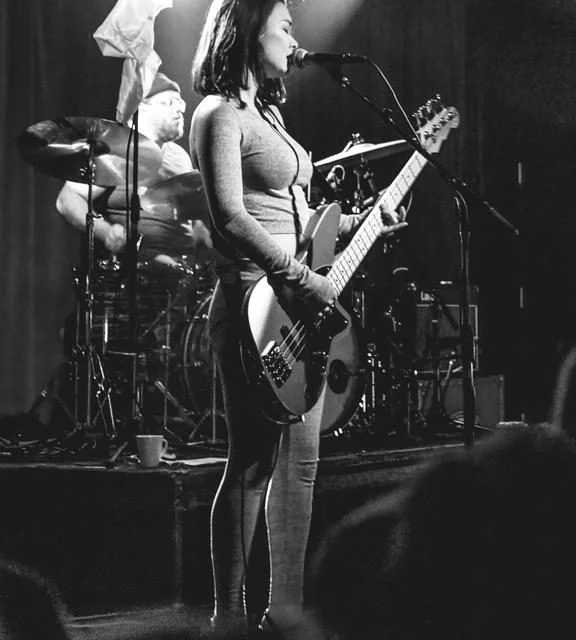
Mitski’s artistic perspective is deeply shaped by her identity as a Japanese American who grew up moving between countries, including Japan and the United States. This transnational upbringing produces a recurring sense of instability and partial belonging that is reflected across her discography. Rather than presenting identity as set, her music often portrays it as something negotiated through context, shaped by external perceptions and internal conflicts. In songs such as “Your Best American Girl,” she explicitly addresses the impossibility of aligning herself with white American ideals of femininity, while in “Strawberry Blonde,” this tension is expressed more subtly through metaphor and sound. This subtlety is significant because it reflects a lived reality where exclusion is not always overt but is instead embedded in everyday interactions and perceptions
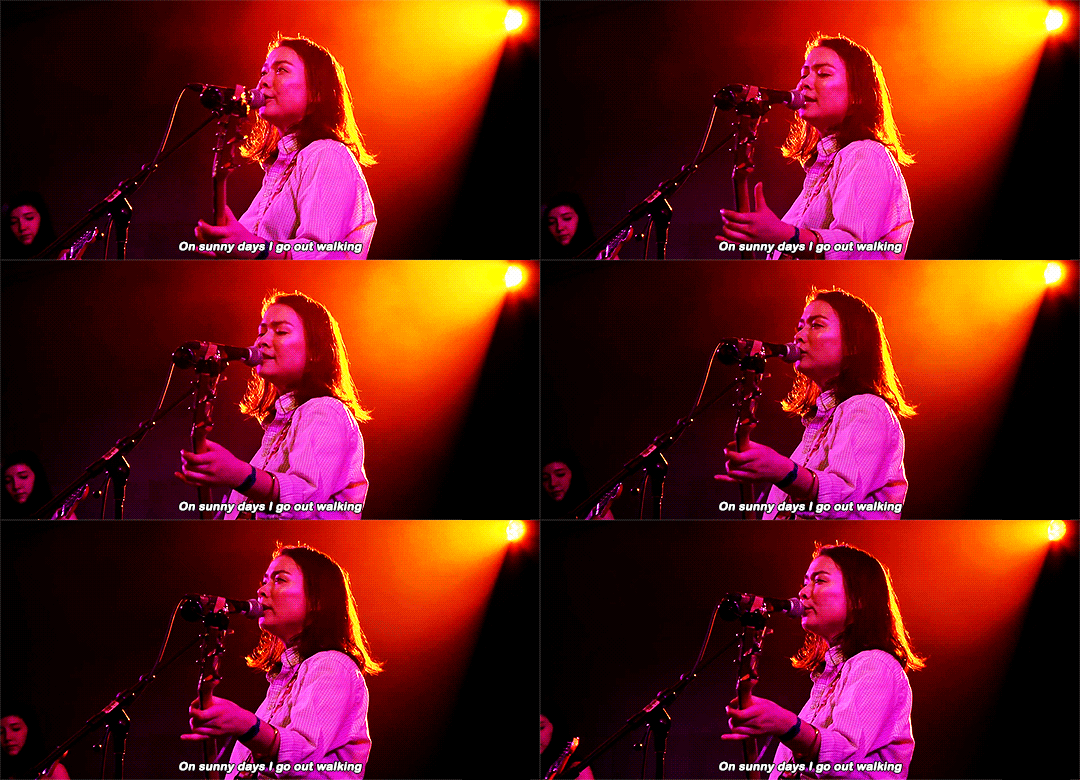
How does “Strawberry Blonde” use sound (beyond lyrics alone) to construct and communicate the experience of racialized desire and exclusion within white American beauty culture? More specifically, how do the song’s repetitive melodic structure, soft vocal tone, and minimal instrumentation reflect the emotional condition of existing outside dominant ideals of attractiveness and belonging?

‘Her’story
-
![]()
Early Years
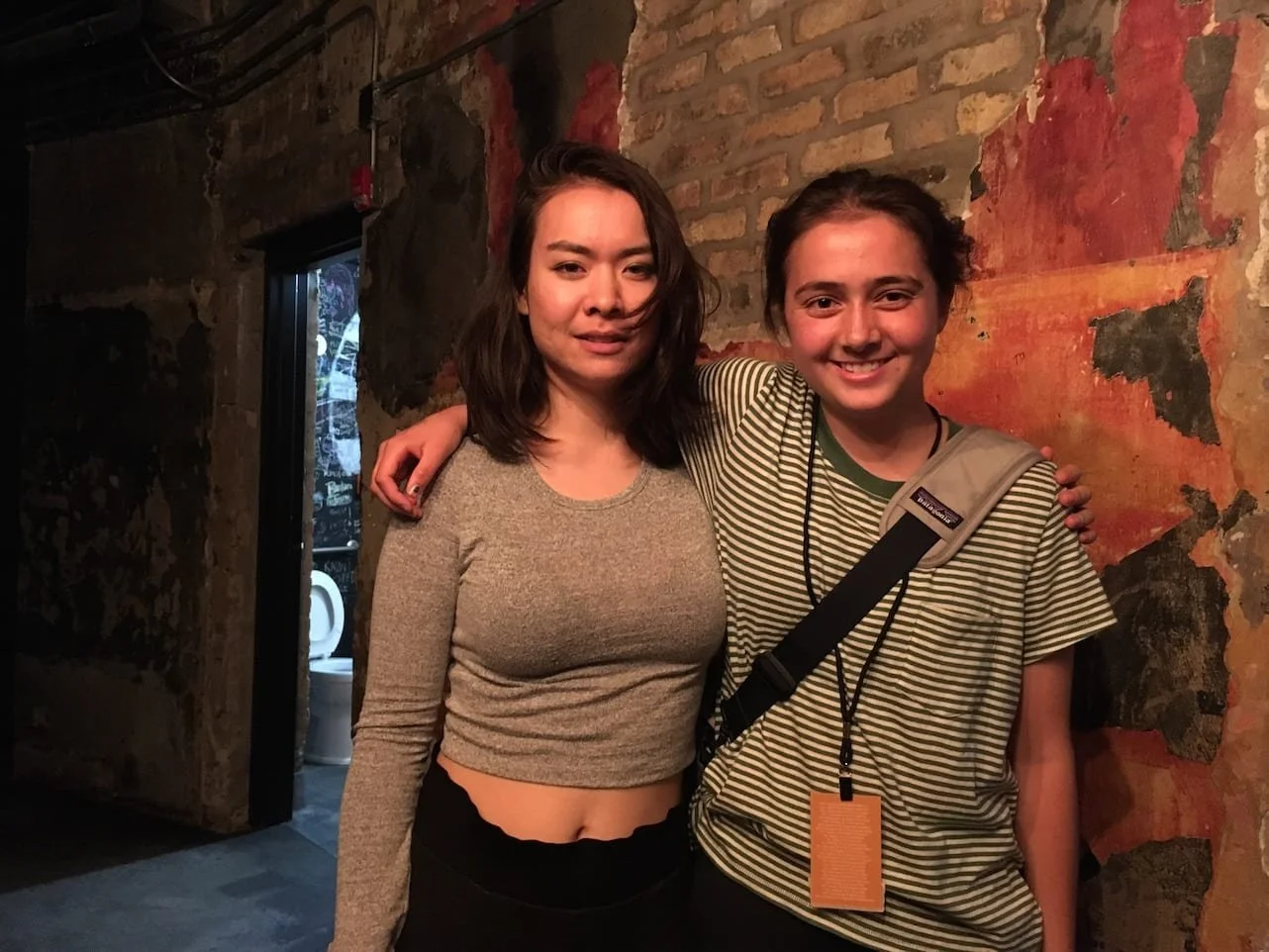
Mitski was born in Japan to a Japanese mother and an American father, and from a very young age, her life was defined by movement. Because of her father’s job with the U.S. government, she relocated frequently; living in multiple countries across Asia, Europe, and North America before adulthood. This meant that instead of growing up rooted in one place, she experienced childhood as a series of temporary environments, each with different languages, social expectations, and cultural norms. In Japan, she was culturally familiar but not entirely positioned as fully “Japanese” due to her mixed background. In other countries, especially in Western contexts, she became visibly “other.” This early pattern, being simultaneously inside and outside of different cultural spaces, created a sense of observation rather than full participation, something that later becomes embedded in how she writes music, where she often takes on the role of someone watching, desiring, but not fully belonging.
-
![]()
Teen Years
During her teenage years, music became one of the few stable forms of expression in an otherwise unstable environment. Mitski has described how songwriting allowed her to process emotions that were difficult to articulate in everyday life, especially in contexts where she did not feel fully understood. Rather than performing identity outwardly, she began shaping it through sound, experimenting with tone, structure, and mood. Importantly, this period was not about immediate belonging within a musical community, but about using music privately to make sense of displacement and emotional complexity. This early relationship with music helps explain why her later work often feels contained and controlled; it comes from a place where expression was internal before it was public.
-
![]()
College Years
Mitski later attended the SUNY Purchase Conservatory of Music, where she studied composition. This period marks a shift from instinctive expression to intentional construction. She began creating full-length projects as part of her coursework, combining her emotional instincts with formal musical training. Here, she learned how to use structure, melody, harmony, repetition, not just to support lyrics, but to create meaning on their own. This is crucial for understanding songs like “Strawberry Blonde,” where the simplicity is not accidental. The repetitive melody, the limited vocal range, and the controlled delivery are all deliberate choices. Her education gave her the ability to translate complex emotional and social experiences into musical form without needing to explicitly state them.
-
![]()
Early Career
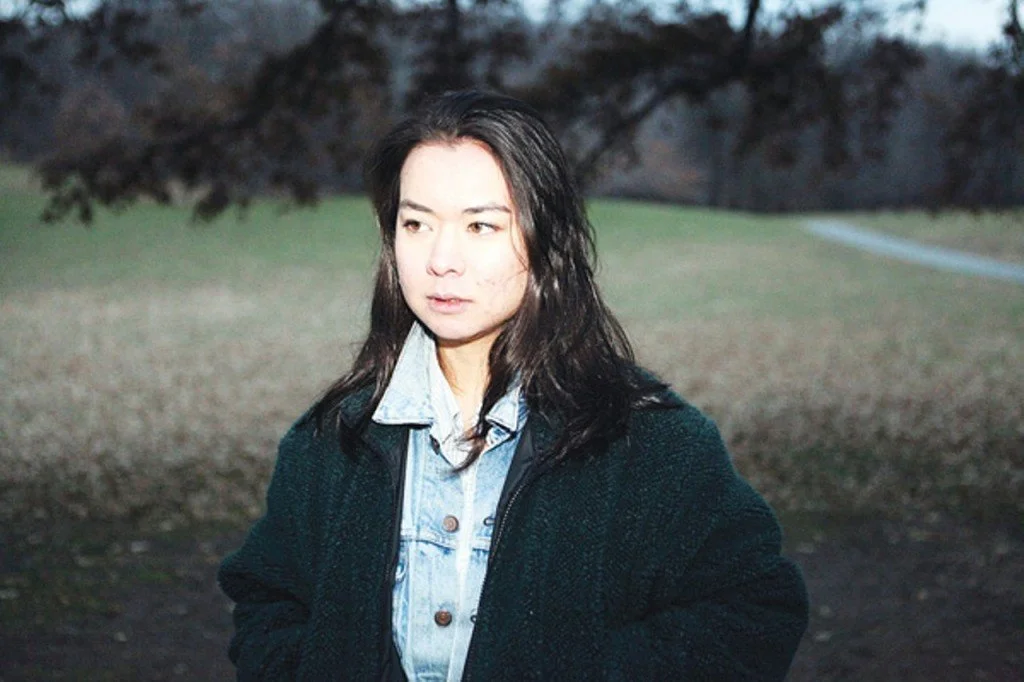
After college, Mitski entered the indie music scene, releasing music that quickly gained attention for its emotional intensity and distinct voice. However, the indie and folk spaces she entered are historically shaped by white artists and audiences, with established expectations around authenticity and sound. Mitski’s presence within this space introduces a quiet tension, she adopts the sonic language of the genre, but her perspective does not fully align with its typical narratives. Instead of universalized love or nostalgia, her work often centers on discomfort, longing, and misalignment. In “Strawberry Blonde,” this becomes especially clear: the acoustic, folk-like sound feels familiar and accessible, but the perspective within it is not centered, it is positioned at the edge, looking inward.

Discography
Discography

-
![]()
Retired from sad, new career in business
-
![]()
Lush
-
![]()
Puberty 2
-
![]()
Be the cowboy
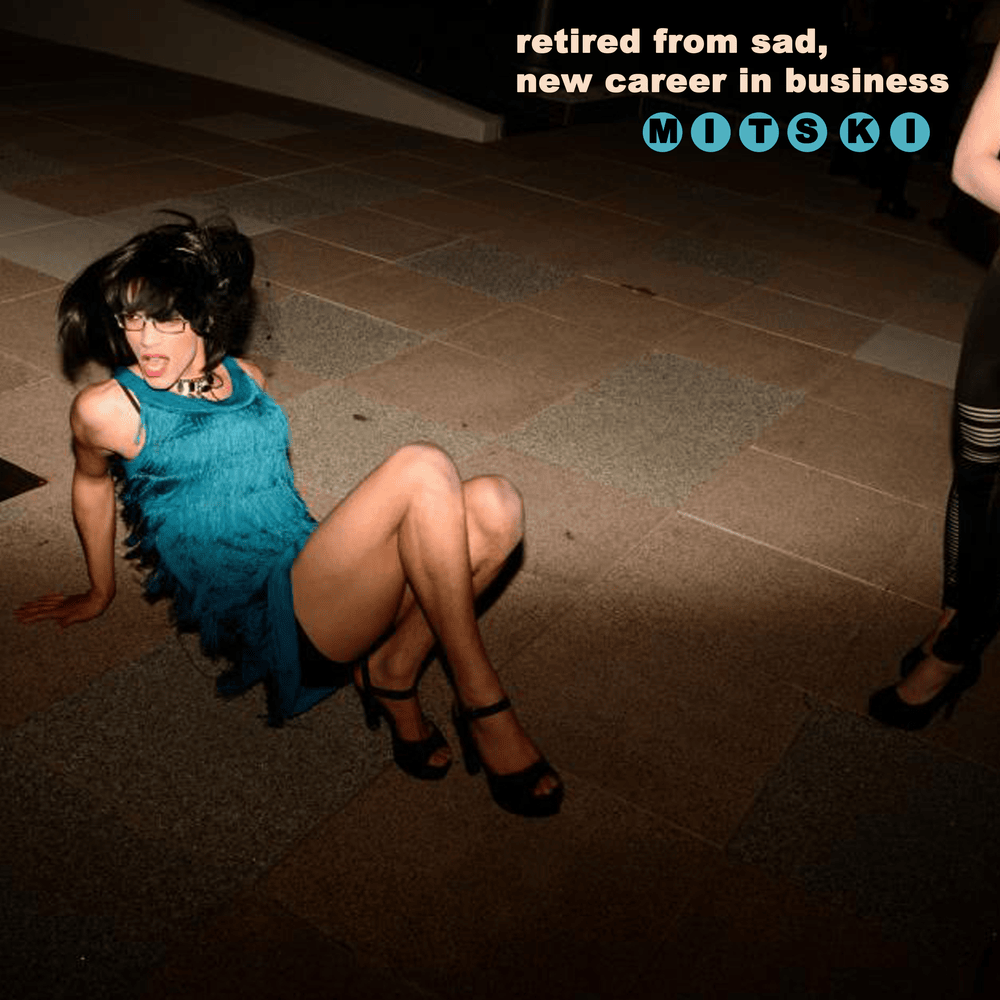
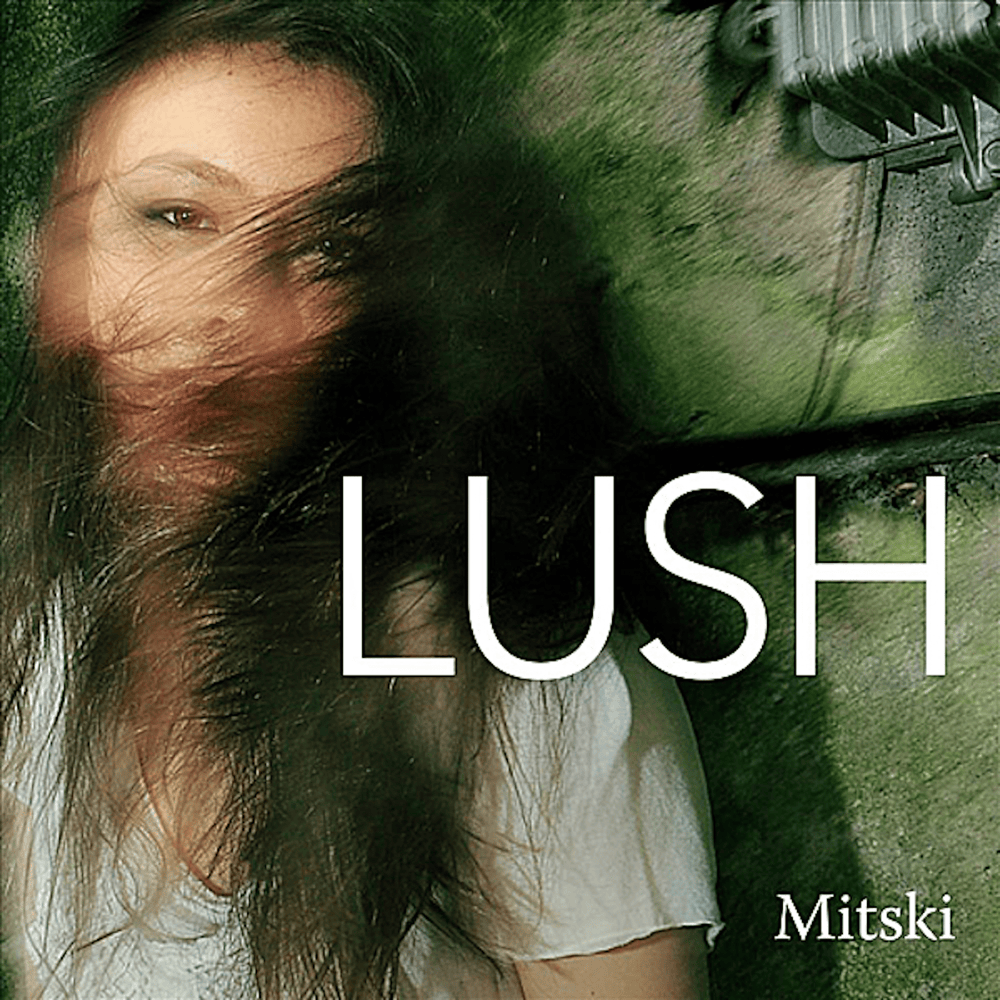
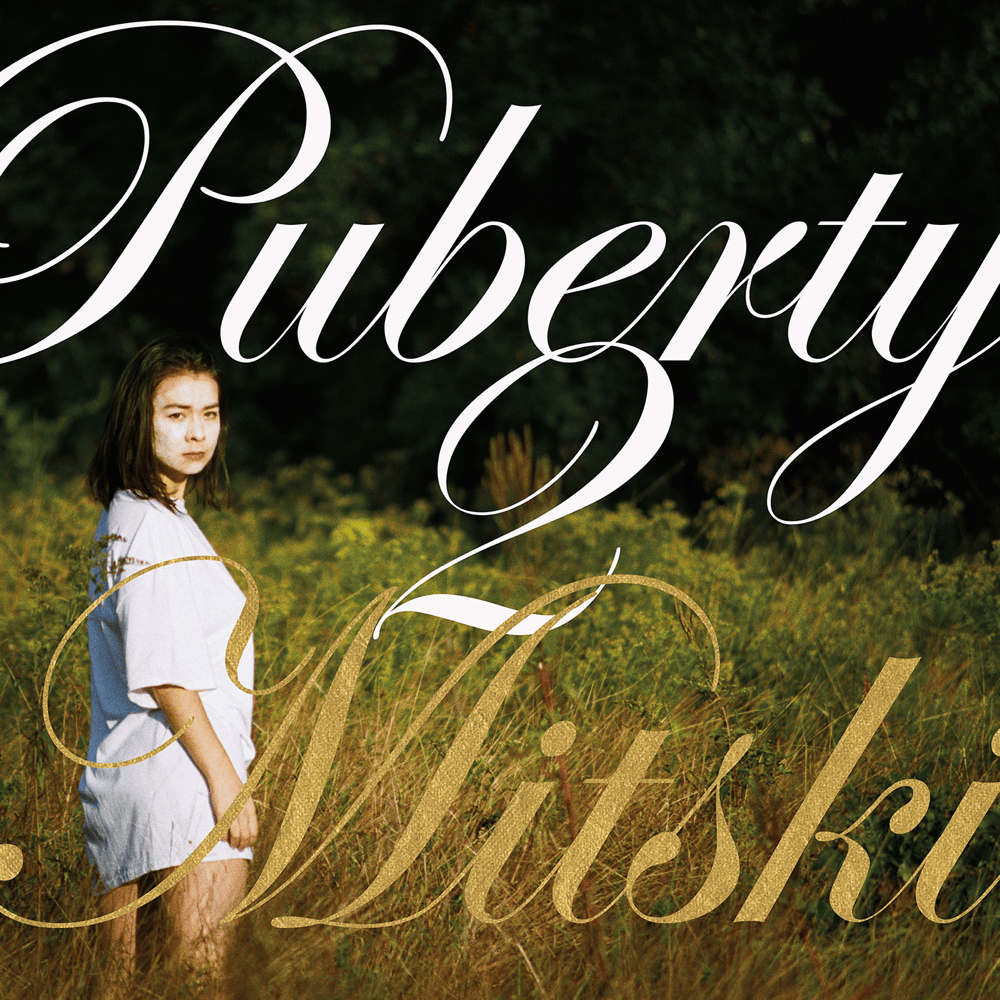
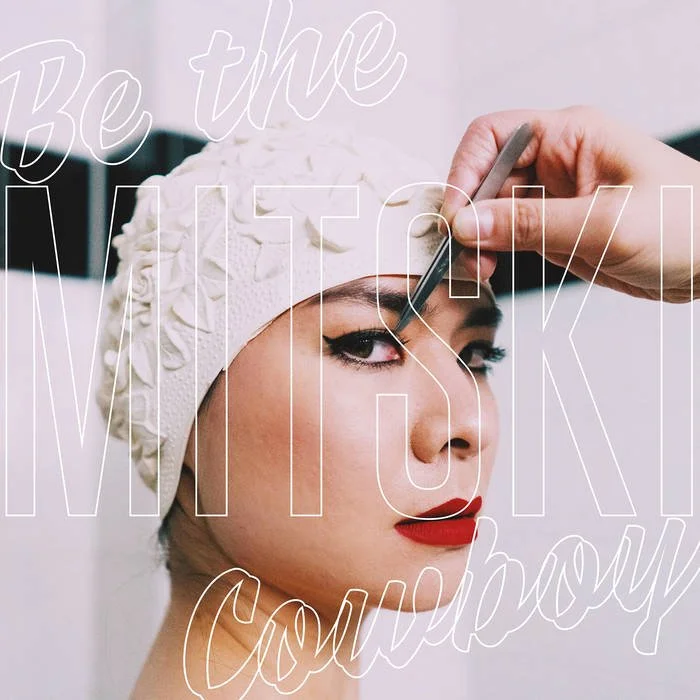
The themes explored in “Strawberry Blonde” are consistent with patterns across Mitski’s broader body of work. In “Your Best American Girl,” she explicitly articulates the incompatibility between her identity and white American ideals, using both lyrics and sound to emphasize this divide. In “Nobody,” repetitive structure conveys a sense of isolation and invisibility, reinforcing the idea that longing is not simply about individual relationships but about broader conditions of exclusion. By situating “Strawberry Blonde” within this larger context, it becomes clear that the song is part of an ongoing exploration of identity, where desire is shaped by cultural and racial dynamics rather than existing independently of them.
Video Analysis
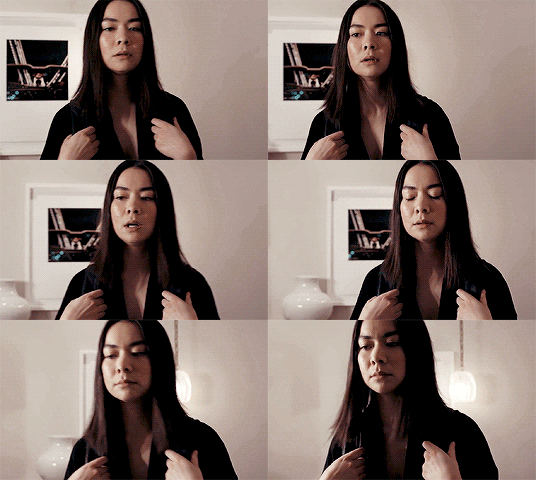
The whole video is about movement without arrival. She’s always on the road, but never getting anywhere, which matches the song’s repetition and lack of resolution. When she reaches her hand out, it shows trying to grab something she can’t actually hold, like the beauty standard or person she wants. Then, when we finally see her with a white man, it’s not romantic; it just shows proximity, not belonging. And the ending with a Black man shifts things away from whiteness, but still doesn’t resolve anything. So visually, the video is doing the same thing as the music; it keeps you in that feeling of longing without closure. The “whiteness” of indie and folk scenes isn’t just about who participates, but about the norms that define authenticity. These genres often privilege soft, breathy vocals, acoustic instrumentation, and confessional lyricism, styles historically associated with white artists like Phoebe Bridgers or Bon Iver. Within this framework, authenticity is tied to a kind of quiet vulnerability that appears universal, but is actually culturally coded. Mitski enters this space while both conforming to and disrupting these expectations, using the same sonic palette but redirecting it to express diasporic longing and racialized self-perception.
Beauty + Race
The themes present in “Strawberry Blonde” are grounded in broader social realities surrounding race and beauty in the United States. Eurocentric beauty standards; characterized by lighter skin, certain facial features, and hair textures such as blonde or light brown, are consistently prioritized across media industries, including film, advertising, and social media. Research in media representation and social psychology has shown that these standards influence perceptions of attractiveness, desirability, and even social mobility. For Asian American women in particular, this often results in a dual marginalization: they are frequently excluded from dominant representations of beauty while simultaneously being fetishized or stereotyped. The emotional experience captured in the song reflects these structural conditions, translating them into a personal narrative of longing that is shaped by systemic exclusion rather than individual inadequacy.


[Verse 1]
I love everybody because I love you
When you stood up, walked away barefoot
And the grass where you lay left a bed in your shape
I looked over it and I ached
[Verse 2]
I love everybody because I love you
I don't need the city and I don't need proof
All I need, darling, is a life in your shape
I picture it soft and I ache
[Pre-Chorus]
Look at you, strawberry blond
[Verse 3]
Reach out the car window, trying to hold the wind
You tell me you love her, I give you a grin
Oh, all I ever wanted was a life in your shape
So, I follow the white lines, follow the white lines
[Pre-Chorus]
Keep my eyes on the road as I ache
[Chorus]
Look at you, strawberry blond, fields rolling on
I love it when you call my name
Can you hear the bumblebees swarm? Watching your arm
I love it when you look my way
Look at you, strawberry blond, fields rolling on
I love it when you call my name
Can you hear the bumblebees swarm? Watching your arm
I love it when you look my way
[Post-Chorus]
Look at you, strawberry blond, fields rolling on
I love it when you call my name
Can you hear the bumblebees swarm? Watching your arm
I love it when you look my way
[Outro]
Isaiah, Isaiah, Isaiah
Isaiah, Isaiah, Isaiah

Lryic Analysis
The central image of the “strawberry blonde” operates as a highly specific and culturally loaded symbol of Eurocentric femininity. This is not simply a descriptive detail; it represents a broader ideal associated with softness, desirability, and social acceptance within white American culture. The speaker’s repeated focus on this figure establishes a dynamic of admiration that is inherently unequal, as it is never reciprocated or resolved. Importantly, the speaker does not position herself as comparable to this ideal, but rather as someone observing from a distance. This distance is crucial because it reflects a structural separation rather than a temporary emotional gap. The lyrics therefore construct a form of desire that is shaped by exclusion, where the object of affection also represents a cultural standard that the speaker cannot fully access.
Harmony + MelodyFrom a musical perspective, the song’s melody is intentionally constrained, remaining within a relatively narrow vocal range and avoiding dramatic shifts in pitch or intensity. This creates a sense of emotional containment, as the melody never fully expands or reaches a climactic release. The harmonic structure reinforces this effect through its reliance on a simple, repetitive chord progression that cycles continuously without significant variation. In many pop songs, harmonic changes are used to create tension and resolution, guiding the listener through an emotional arc. In “Strawberry Blonde,” however, this arc is largely absent, resulting in a feeling of suspension or stasis. This lack of resolution mirrors the thematic content of the song, where desire remains unfulfilled and the speaker is unable to move beyond her position.
Instrumentation
The song’s instrumentation is minimal and rooted in acoustic folk traditions, with the guitar serving as the primary sonic foundation. This choice is significant because folk music in the United States has historically been associated with authenticity, simplicity, and a particular form of cultural identity that is often implicitly white. By situating her voice within this genre, Mitski engages with a musical tradition that carries its own cultural assumptions and histories. The song opens with gentle, almost youthful guitar strumming, layered with airy harmonies that feel pastoral and open. This sonic softness mirrors the visual of “fields rolling on,” creating an idyllic, almost dreamlike atmosphere. However, Mitski’s vocal delivery introduces tension, her voice is restrained, slightly distant, as if she is observing rather than fully inhabiting this world. The repetition of “I love it when you call my name” builds not into resolution, but into a kind of unresolved yearning, reinforcing her position as an outsider to the beauty she describes.

Mitski’s vocal delivery in “Strawberry Blonde” is characterized by softness, restraint, and a lack of overt emotional display. Rather than projecting her voice or emphasizing intensity, she maintains a controlled and almost detached tone throughout the song. This restraint is particularly significant when compared to other songs about longing or heartbreak, which often rely on vocal power to convey emotional depth. Here, the absence of intensity becomes meaningful in itself, suggesting a form of internalized emotion that cannot be fully expressed. This can be interpreted as reflecting the social dynamics of marginalization, where certain feelings; especially those tied to desire and exclusion—are experienced privately rather than publicly.







Digital Reinterpretation
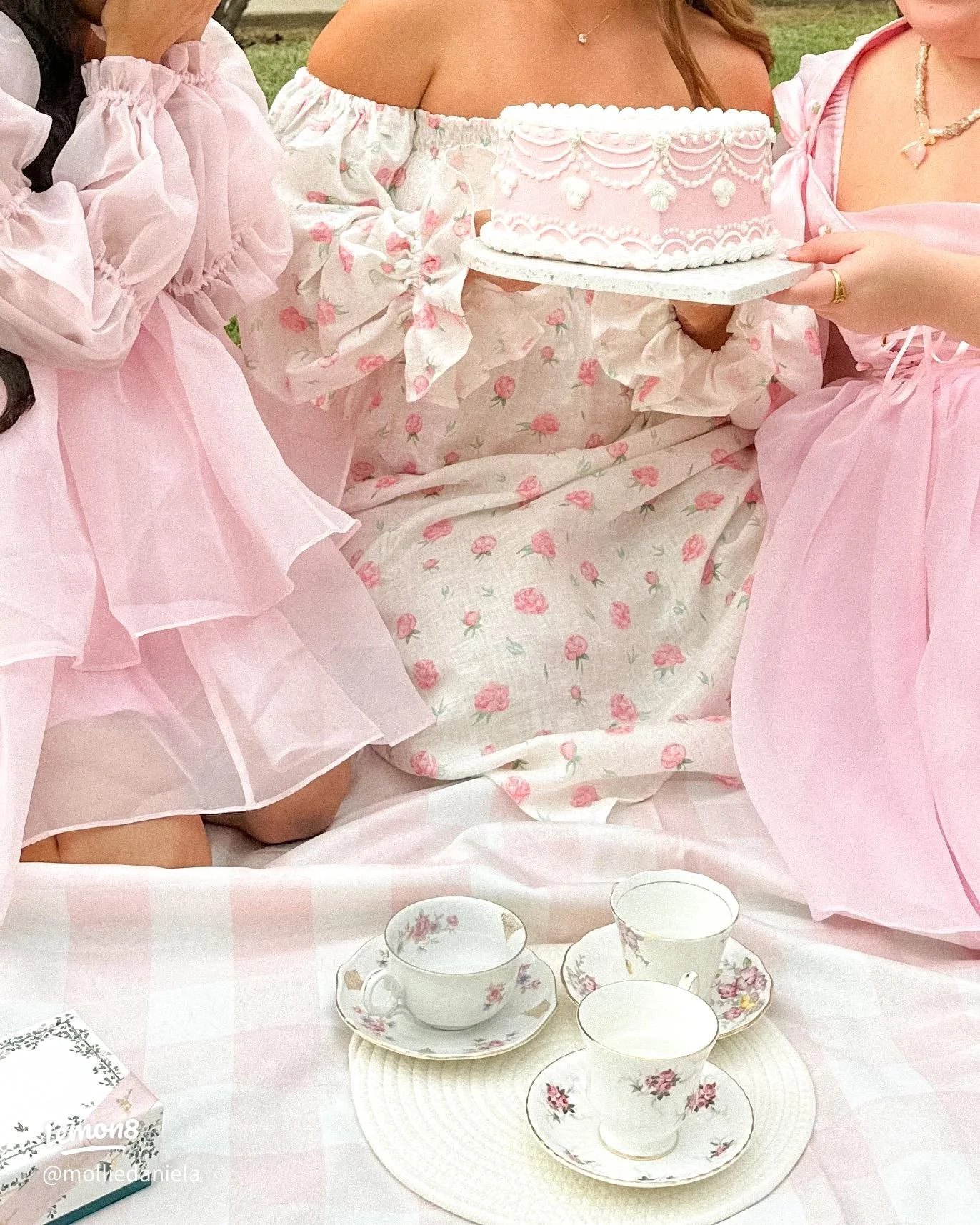
The song’s resurgence on TikTok in 2020 introduced it to a new audience, but also transformed its meaning through visual and cultural reinterpretation. On the platform, the song became associated with a specific aesthetic characterized by softness, nostalgia, and romantic imagery, often centered on white femininity. This reinterpretation effectively detached the song from its original thematic context, reducing it to a mood or vibe rather than a critical reflection on beauty standards. This shift illustrates how digital platforms can reshape musical meaning, privileging surface-level interpretations that align with dominant cultural norms while obscuring more complex or critical readings.

Within the framework of Asian musicking, “Strawberry Blonde” can be understood as a form of cultural negotiation in which sound becomes a site for expressing and navigating identity. Rather than explicitly addressing race or identity in its lyrics, the song embeds these concerns within its musical structure and aesthetic choices. This approach reflects a broader strategy within diasporic cultural production, where artists often operate within dominant forms while subtly reshaping them to reflect their own experiences. In this sense, the song is not only expressive but also performative, enacting the very tensions it seeks to describe through its sound.
Asian Musicking
Asian Musicking

Personal Connection